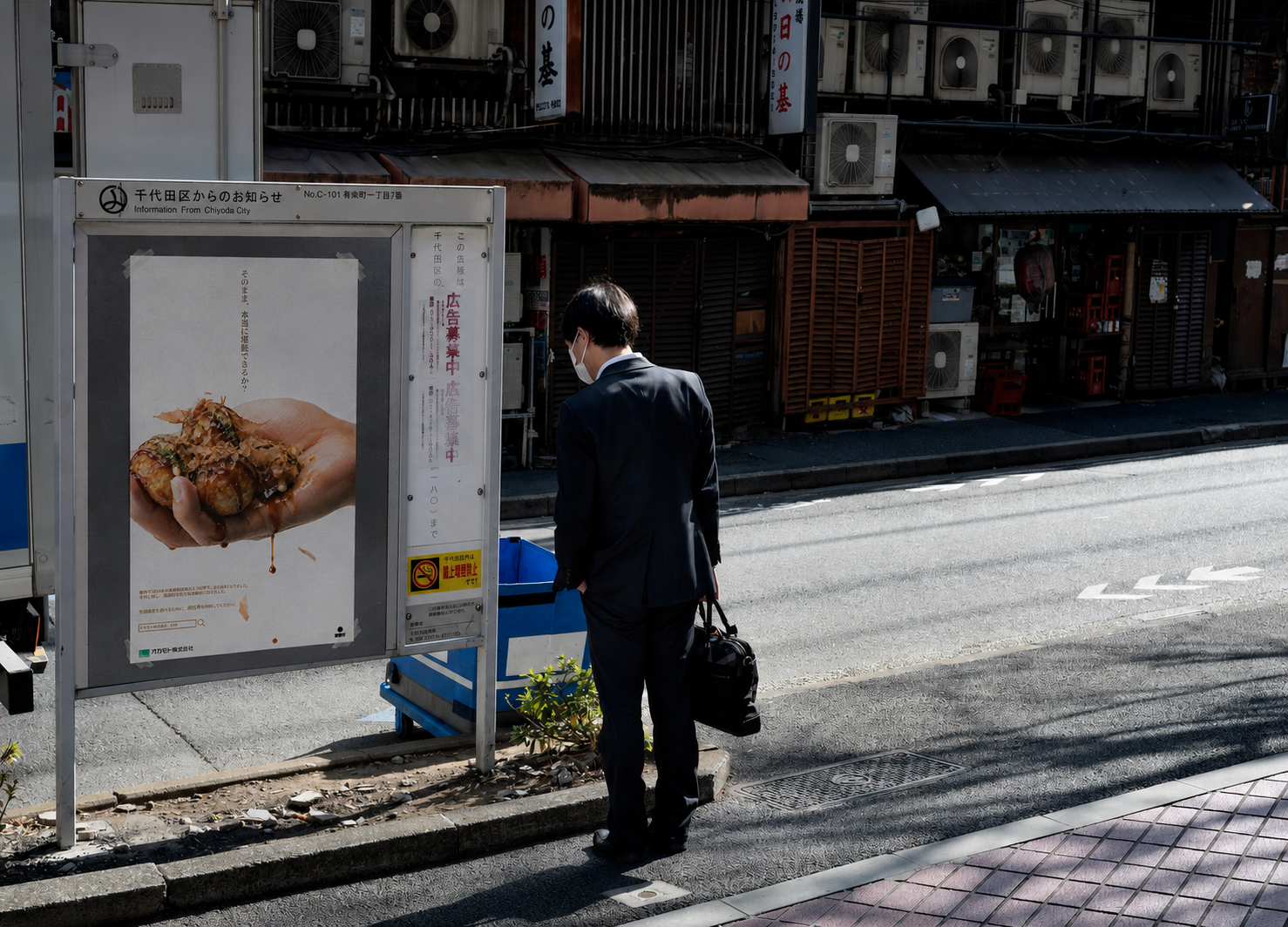

今回は株式会社オカモトの東京営業部からの産学連携の依頼を受け、近年東京都で増加傾向にある性感染症の予防啓発を目的とした、一連のグラフィックデザインを制作するプロジェクト。
企業のCSR(社会的責任)活動の一環として、特に若年層を対象に、性感染症に関する正しい知識と予防方法を分かりやすく伝えることを目指した。
A collaborative design project initiated at the request of the Tokyo Sales Department of Okamoto Co., Ltd., aimed at creating a series of graphic communication materials in response to the rising incidence of sexually transmitted infections (STIs) in Tokyo.
As part of the company’s Corporate Social Responsibility (CSR) initiatives, the project focuses on communicating accurate knowledge about STIs and effective prevention methods, particularly to younger audiences.
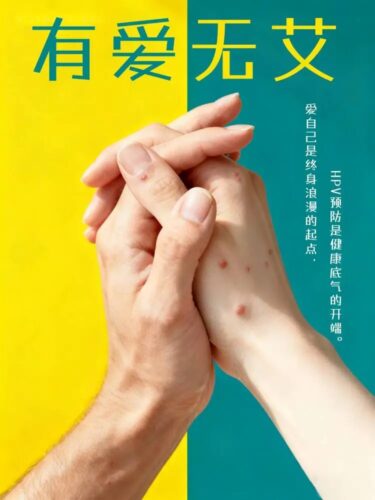
中国の方が保健体育の授業が不十分な同時に、病状の図を直接に展示し、恐怖心を喚起したり患者を無意識に差別化になることもある。それは中国に限るわけではなく、性の健康に関する啓発デザインの制作上の共通問題である。
In China, sex education remains insufficient, while some STI awareness campaigns rely on explicit images of symptoms to evoke fear, potentially reinforcing unconscious prejudice and discrimination against those affected.
This issue is not unique to China but represents a common challenge in the design of sexual health awareness materials.
「セーフード」とは?
英単語の「safe」と「food」を組み合わせ、食べ物に汚れられることを例え、性感染症の病状に対する恐怖心を喚起。また、特に性別の表れを描かずにウニセックスに従い、幅広くたいと考える。
基本的に食べ物が性行為を指し、「直接に触ったら汚いで食べにくいのに、直接にセックスするのがよいかな?」というコンセプトで、ポスターをデザインしていく。
By combining the English words “safe” and “food,” this concept uses contaminated food as a metaphor to evoke fear and discomfort toward the symptoms of sexually transmitted infections. At the same time, the visuals avoid explicit gender representation and follow a unisex approach in order to reach a wider audience.
In this project, food functions as a metaphor for sexual activity. The poster is developed around the idea: “If food becomes dirty through direct contact, it immediately feels unpleasant and difficult to eat — then is it really acceptable to have sex without protection?”
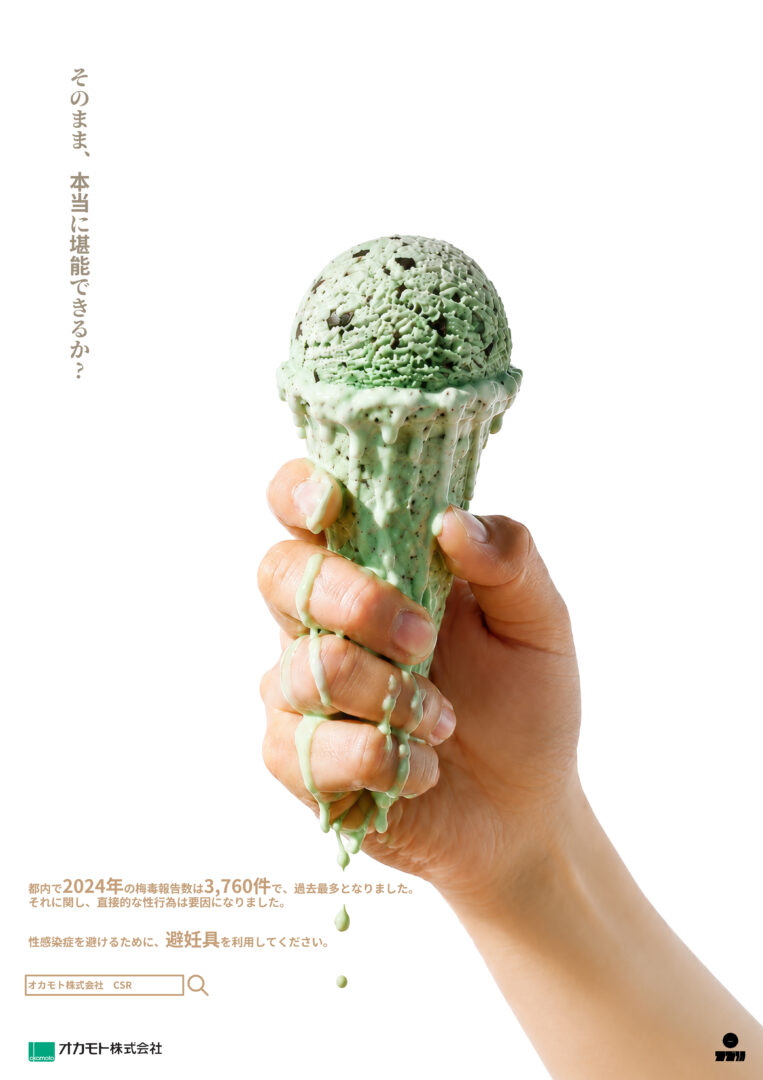
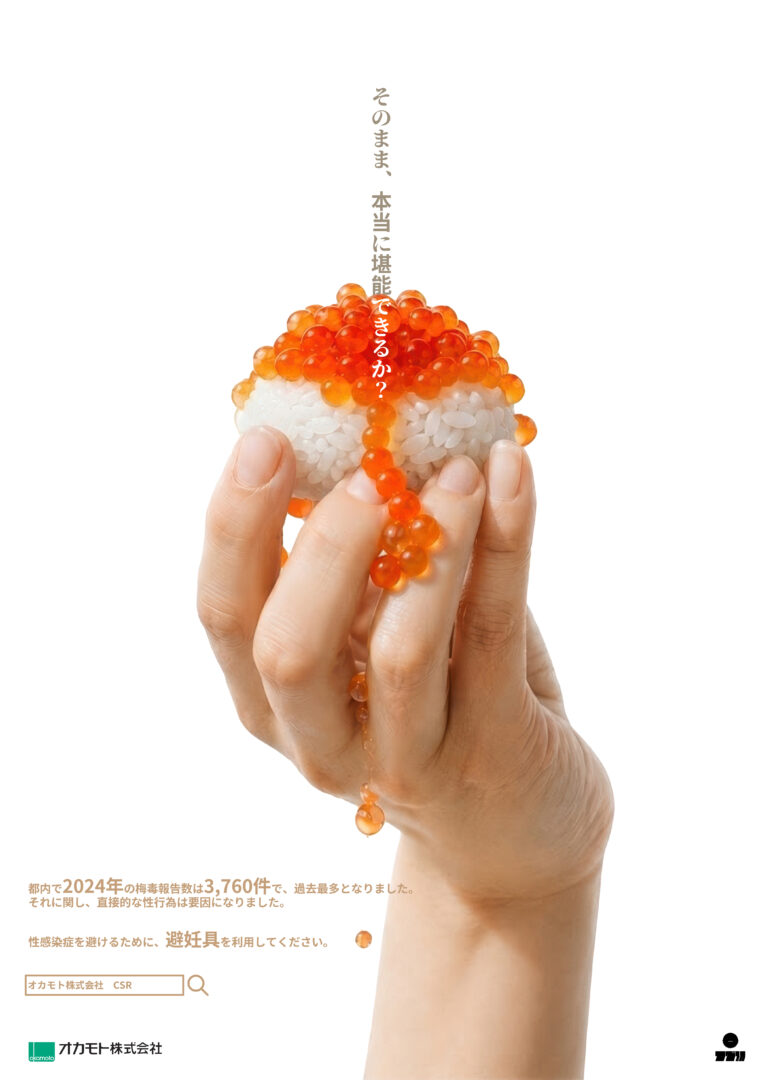
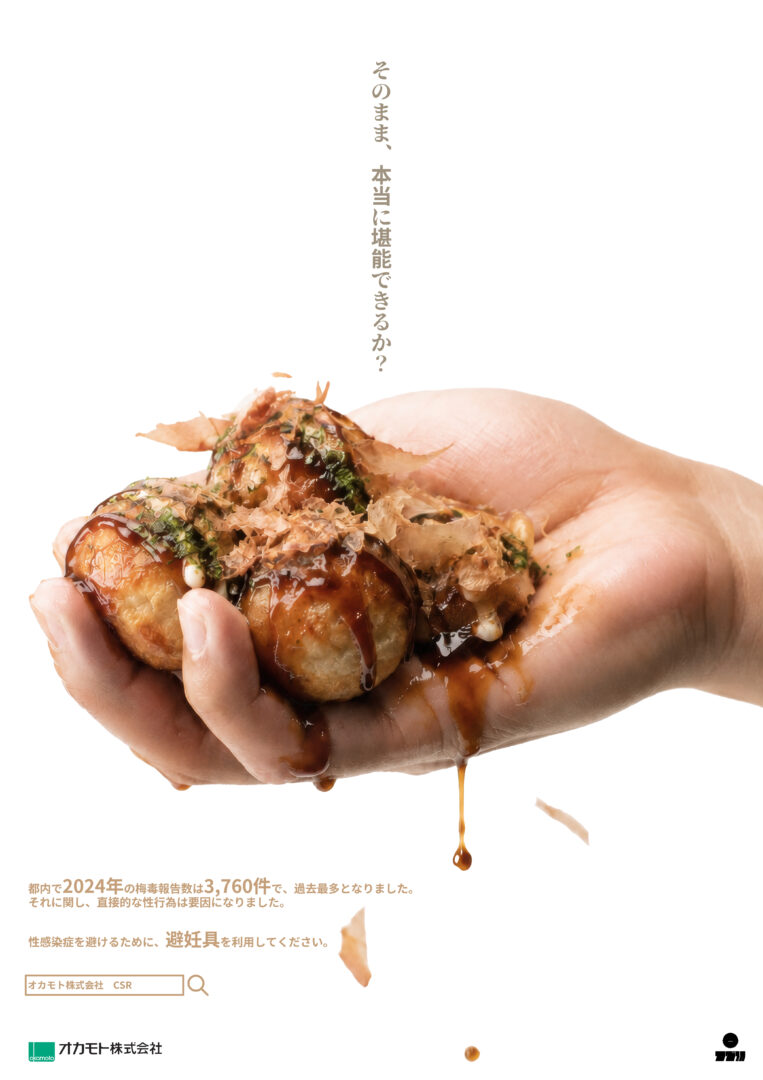
“Can you really enjoy it like that?”